
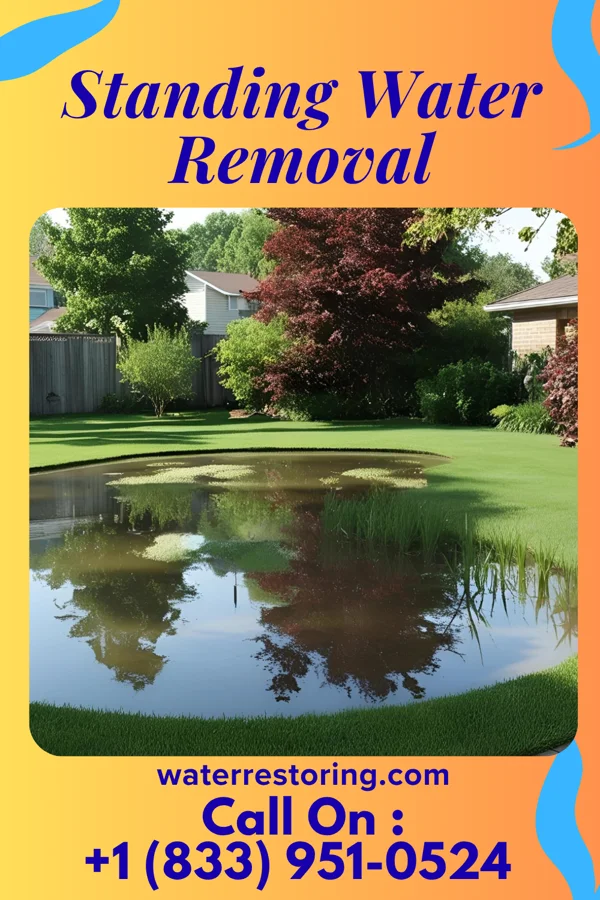
Ground-Water Standing Water in Carnation
Water damage in Carnation tends to cluster in predictable windows because of the local climate. In Carnation, Washington, the primary water damage cause is often due to heavy rainfall and flooding from nearby Ames Lake and Lake Marcel-Stillwater, which can lead to basement backups and sewer overflows during storm events. Additionally, the region's proximity to these water bodies increases the risk of water intrusion through foundation cracks and poorly maintained drainage systems. A close second is Secondary causes include plumbing failures in older homes, particularly in rural areas where maintenance may be less frequent, and seasonal thawing of frozen ground that can cause sudden water pooling around properties. Stormwater runoff from nearby hills also contributes to localized flooding in lower-lying neighborhoods..
Carnation's climate, characterized by frequent rainfall and occasional severe storms, creates a high risk of water damage. The region's proximity to lakes and its rural layout make it particularly vulnerable to flooding and water intrusion, especially during the spring and fall seasons.
Carnation's climate, characterized by frequent rainfall and occasional severe storms, creates a high risk of water damage. The region's proximity to lakes and its rural layout make it particularly vulnerable to flooding and water intrusion, especially during the spring and fall seasons. The dominant local driver is In Carnation, Washington, the primary water damage cause is often due to heavy rainfall and flooding from nearby Ames Lake and Lake Marcel-Stillwater, which can lead to basement backups and sewer overflows during storm events. Additionally, the region's proximity to these water bodies increases the risk of water intrusion through foundation cracks and poorly maintained drainage systems., with Secondary causes include plumbing failures in older homes, particularly in rural areas where maintenance may be less frequent, and seasonal thawing of frozen ground that can cause sudden water pooling around properties. Stormwater runoff from nearby hills also contributes to localized flooding in lower-lying neighborhoods. showing up as the next most common cause. Damage builds in stages. Spread. Absorption. Microbial growth. Structural compromise. Every stage you pass through adds to the final bill.